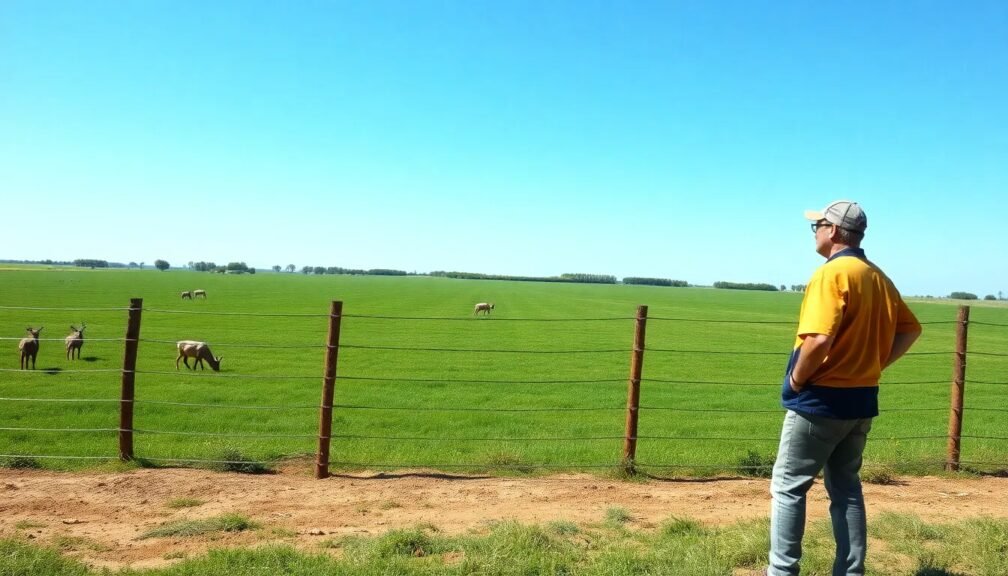
When it comes to safeguarding your property, the importance of wildlife exclusion fencing cannot be overstated. As urban areas continue to expand, encounters with wildlife such as deer, raccoons, and coyotes are becoming more common. Not only can these animals cause extensive damage to gardens and crops, but they can also pose a risk to livestock and even pets. In this article, we’ll delve into the necessity of wildlife exclusion fencing, its benefits, various types available, and actionable steps you can take to protect your property effectively.
Understanding Wildlife Exclusion Fencing
What is Wildlife Exclusion Fencing?
Wildlife exclusion fencing refers to structures specifically designed to prevent wildlife from entering certain areas, such as farms, gardens, and residential properties. Unlike regular fencing, which may only discourage certain types of animals, exclusion fencing is engineered to create a barrier that effectively keeps wildlife out. This is accomplished through smart design features and materials.
Why is it Necessary?
Permitting wildlife to roam freely onto your property can lead to various issues, including:
- Property Damage: Animals can demolish gardens, chewed wiring, and create holes in structures.
- Disease Transmission: Wild animals can carry diseases harmful to humans and domestic animals.
- Crop Destruction: If you’re a farmer or gardener, wildlife can annihilate your efforts in a matter of days.
- Safety Hazards: In some cases, larger wildlife can pose direct threats to your family and pets.
The Benefits of Wildlife Exclusion Fencing
1. Protection for Livestock and Pets
Having a sturdy wildlife exclusion fence helps ensure the safety of pets and farm animals. It acts as a physical barrier that can keep predators at bay, granting peace of mind to pet owners and farmers alike.
2. Preservation of Gardens and Crops
For gardeners, a well-constructed exclusion fence can mean the difference between a thriving garden and a barren landscape. By deterring deer, raccoons, and other garden raiders, you can protect your plants and produce.
3. Reduction of Disease Risks
Wildlife can be carriers of various diseases, including rabies, leptospirosis, and parasites. By keeping these animals out, you also mitigate the risk of these diseases affecting your family or pets.
4. Long-Term Financial Savings
While the initial investment in wildlife exclusion fencing might be significant, the long-term benefits can outweigh the costs. The money saved by avoiding property repairs, crop loss, and potential veterinary bills makes this investment worthwhile.
Types of Wildlife Exclusion Fencing
1. Electric Fencing
Electric fencing is an effective method for keeping out larger animals like deer and bears. It delivers a mild shock when touched, which is often enough to deter wildlife. It’s essential to maintain the fencing and ensure the electric current is functioning effectively.
2. Mesh Fencing
Mesh fencing is another popular choice, offering versatility in design. Typically made from galvanized wire, it serves as a barrier that can keep smaller animals, such as rabbits and raccoons, from entering your property.
3. Privacy Fencing
Tall and solid, privacy fencing can deter many wildlife species while also providing an aesthetic appeal. While it doesn’t offer specialized protection like electrified options, it can discourage animals through sheer height.
4. Chain-Link Fencing
Though it may not be the most attractive option, chain-link fencing is effective for keeping out various wildlife. If reinforced with barbed wire or overhanging extensions, it can prevent animals from jumping over or climbing in.
Planning Your Wildlife Exclusion Fencing
1. Assess Your Property
Before investing in wildlife exclusion fencing, conduct a thorough assessment of your property. Identify areas most vulnerable to wildlife intrusion, such as gardens, fields, and livestock enclosures.
2. Research Local Wildlife
Understanding the types of wildlife common in your area is crucial for choosing the right type of fencing. For instance, if deer are frequent visitors, taller fencing or electric options may be necessary.
3. Check Local Regulations
Before installing fencing, check your local regulations regarding property boundaries and fencing height. Some municipalities may have restrictions on fence types, heights, or designs.
4. Choose the Right Materials
Selecting quality materials is key to a durable fencing solution. Consider weather-resistant materials that can withstand the elements as well as animal wear and tear.
Maintaining Your Wildlife Exclusion Fencing
Regular Inspections
Conduct periodic inspections of your fence to identify any gaps, rust, or damage. Wildlife can be quite resourceful and may find ways to breach your barriers if not properly maintained.
Clear Vegetation
Overgrowth around your fencing can offer cover for wildlife, making it easier for them to approach your barrier. Trim bush and shrubs regularly to ensure they do not become hiding spots.
Reinforce Weak Areas
If you notice specific areas where animals have attempted to breach your fencing, make immediate repairs or reinforcements. This proactive approach can save you headaches down the line.
Keep Up with Local Wildlife Trends
Stay informed about local wildlife trends and behaviors as they can change seasonally. For instance, certain species may be more active during specific months, increasing the need for enhanced protection during those times.
Conclusion: Protect Your Property Today!
Wildlife exclusion fencing is an essential investment for anyone looking to protect their property from wild animals. This proactive measure not only safeguards gardens and livestock but also provides peace of mind for homeowners concerned about safety and property value.
By assessing your property, understanding the wildlife in your area, and choosing the proper fencing type, you can create an effective barrier that meets your needs. Don’t wait for wildlife to encroach upon your space—take action today to install wildlife exclusion fencing.
In the end, the right fencing solution translates to savings, security, and serenity. So, protect your property today and enjoy life with less worry about the wild inhabitants that may roam nearby!
For further insights and professional assistance, consider consulting a fencing expert who specializes in wildlife exclusion options. Your property—and the wildlife itself—will thank you!