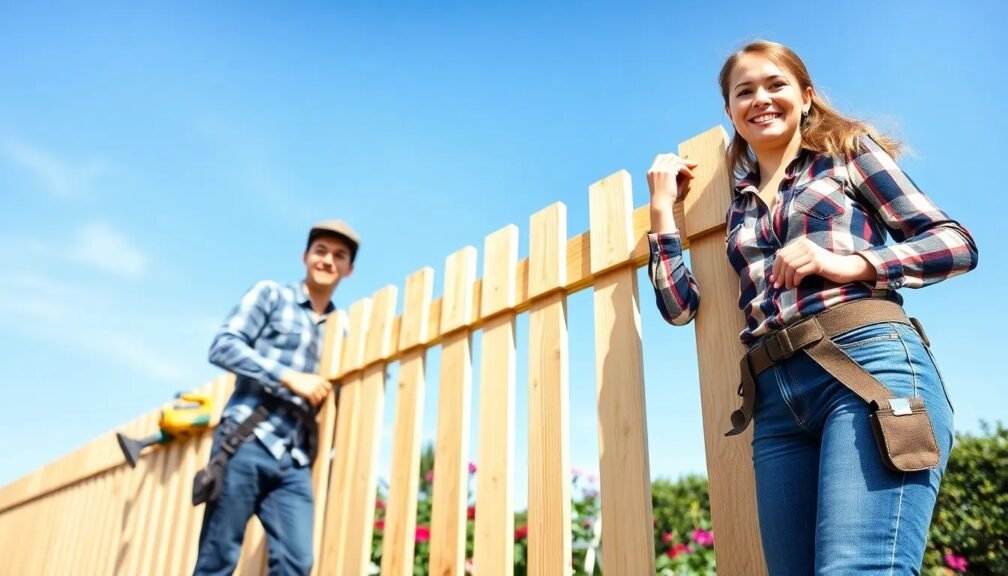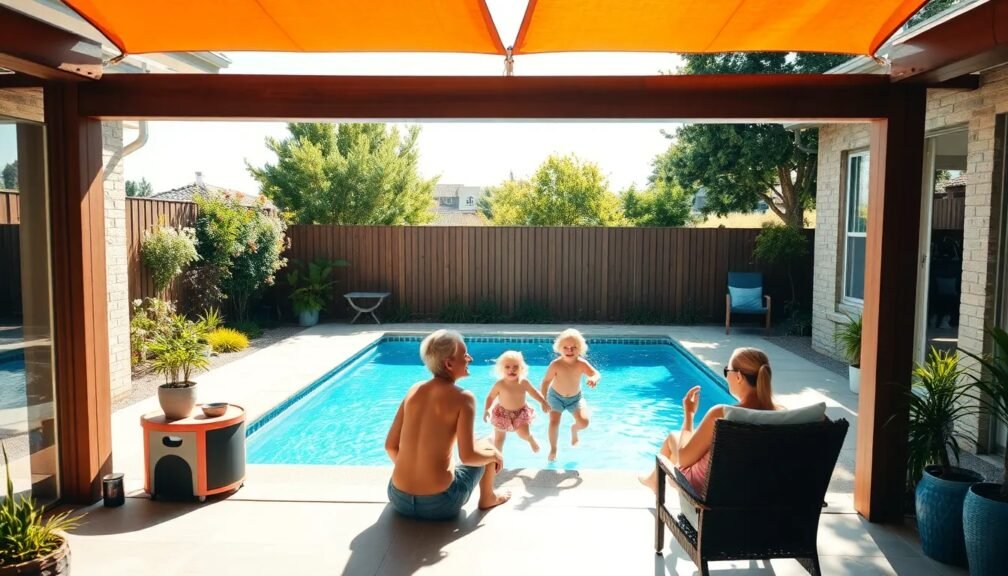
As summer approaches, the allure of a refreshing swim in your backyard pool becomes irresistible. Yet, with fun comes responsibility. Ensuring safety around your pool is paramount, especially if you have children or pets. One of the most effective ways to enhance pool safety is through proper pool fence installation. In this article, we’ll explore top tips for a safe backyard, ensuring your pool area is both enjoyable and secure.
Why a Pool Fence?
A pool fence serves as a critical barrier between your pool and the outside world. It is designed to:
- Prevent Accidental Drownings: Drownings can occur quickly and silently. A well-installed fence can help keep children and pets away from the pool area when unsupervised.
- Discourage Unauthorized Access: A fence acts as a deterrent for curious children and uninvited guests, keeping them out of harm’s way.
- Enhance the Aesthetic Appeal: Besides safety, the right pool fence can add to the overall aesthetic of your backyard, complementing your landscaping and pool design.
Choosing the Right Type of Pool Fence
Before diving into the installation process, selecting the right type of pool fence is essential. Here are some popular options:
1. Mesh Pool Fencing
Mesh pool fencing is lightweight, removable, and provides excellent visibility. This type is ideal for families with young children and pets, as it allows you to secure the pool area easily.
2. Aluminum Pool Fencing
Known for its durability and low maintenance, aluminum fencing is a popular choice. It comes in various designs to fit your style and provides a sturdy barrier that can last for years.
3. Glass Pool Fencing
If you prioritize aesthetics, glass pool fencing offers a modern, sleek look. Though on the pricier side, it provides an unobstructed view of your pool area while maintaining safety.
4. Wooden Pool Fencing
Wooden fences offer a classic look and can be customized according to your preference. However, they require regular maintenance to prevent rot and decay.
5. Vinyl Pool Fencing
Vinyl is a more cost-effective, low-maintenance option. It is available in various colors and styles, providing safety and aesthetics without the upkeep demands of wood.
Top Tips for Pool Fence Installation
Now that you know which type of fence suits your needs, let’s dive into some essential tips for pool fence installation.
1. Understand Local Regulations
Before you start your pool fence installation, check with local authorities regarding regulations and building codes. Many areas have specific requirements concerning fence height, gate specifications, and materials used.
2. Measure Your Pool Area
Accurate measurements are crucial. Ensure you know the dimensions of your pool and the surrounding area. Most guidelines recommend a fence height of at least 4 feet, and it should be installed at least 3 to 5 feet away from the pool edge to allow safe access.
3. Select the Right Gate
The gate is often the most critical element of your pool fence. Make sure it is self-closing and self-latching. Always position the latch out of reach of children to prevent unauthorized access.
4. Plan for Landscaping
When installing your fence, consider the existing vegetation around your pool area. Trees, shrubs, and other plants can obstruct visibility. Ensure the fence line is clear of any plants that might provide a foothold for climbers.
5. Opt for a Professional Installation
While DIY can be appealing, hiring a professional for your pool fence installation can ensure that the job is done safely and correctly. Professionals bring experience and knowledge that can help you avoid potential pitfalls.
6. Regular Maintenance Checks
After installation, maintain your fence regularly. Check for any loose panels, broken latches, or gaps where children or pets could slip through. Scheduling routine inspections will ensure the safety features of your fence remain intact.
7. Incorporate Additional Safety Measures
Adding a pool alarm system and teaching your children about pool safety is integral. Educating your family on safety practices will enhance the effectiveness of your pool fence.
Enhancing Pool Safety Beyond the Fence
While a fence is a significant safety measure, it should be part of a broader safety strategy. Here are additional tips to ensure comprehensive safety in your pool area:
– Supervise at All Times
Adult supervision is critical. Never leave children unattended in or around the pool, even if you have a fence.
– Learn CPR
Knowing CPR can be a lifesaver. Enroll in a CPR course focused on aquatic rescue to be prepared for emergencies.
– Set Pool Rules
Establish clear rules for using the pool. This could include no running near the pool and no diving in shallow areas.
– Install Pool Covers
When the pool isn’t in use, consider using a safety cover. This provides an extra layer of protection, especially when combined with your pool fence.
Conclusion
A well-planned pool fence installation is an essential step toward creating a safe backyard oasis. Choose the right fencing type, adhere to local regulations, and ensure careful installation and maintenance. Remember, safety begins with proper planning and continuous vigilance.
By taking these actionable insights into account, you can enjoy your pool while ensuring that your loved ones remain safe. Make the commitment to enhance your backyard safety and relish in the joy of summer family fun by your pool—secure and worry-free.
With every swim, remember that safety is not just a feature; it’s a lifestyle.