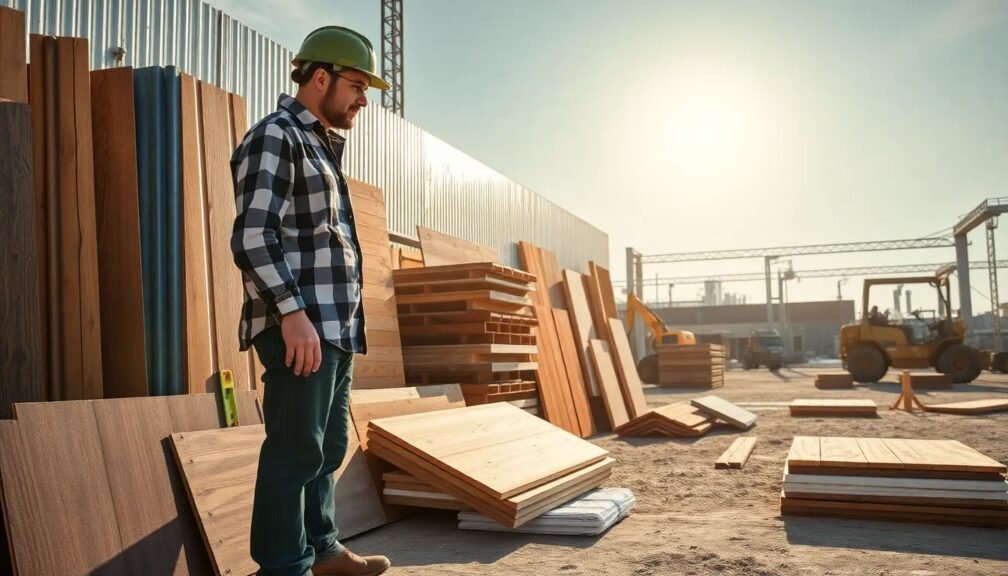
When it comes to enhancing the aesthetics, security, and value of your property, the right fencing material plays a pivotal role. Choosing a licensed fence company is your first step toward ensuring quality and durability. However, with so many materials available on the market, how do you decide which one is right for your needs? In this article, we’ll guide you through the process, helping you make an informed choice that aligns with your budget, style, and functional requirements.
Why You Need a Licensed Fence Company
Before diving into the different types of fencing materials, let’s discuss the importance of hiring a licensed fence company. A licensed contractor not only signifies professionalism and expertise but also ensures that you are protected against potential liabilities. Here are some reasons why hiring a licensed fence company is crucial:
- Quality Workmanship: Licensed companies adhere to industry standards, ensuring high-quality installation.
- Insurance Coverage: You’re protected against accidents or damages during installation.
- Formal Contracts: A licensed contractor provides a legally binding contract, giving you peace of mind.
- Permit Acquisition: A licensed fence company understands local regulations and can secure necessary permits, ensuring your fence complies with zoning laws.
With this understanding of the importance of hiring a licensed company, let’s explore the various fencing materials available.
Common Fencing Materials
1. Wood Fencing: Classic Charm with Natural Appeal
Wood is one of the most popular fencing materials, due to its classic charm and versatility. Here’s why you might consider wood fencing:
- Aesthetic Appeal: Wood fencing comes in various styles, from picket to privacy, enhancing the beauty of any property.
- Eco-Friendly: If sourced sustainably, wood is a renewable resource.
- Customizable: You can paint or stain wood to match your home’s exterior.
Drawbacks
However, wood does come with some disadvantages:
- Maintenance: It requires regular staining or painting to prevent decay.
- Vulnerability: Wood is susceptible to pests and rot, especially in wet climates.
2. Vinyl Fencing: Durability and Low Maintenance
Vinyl fencing has gained popularity in recent years due to its durability and low maintenance requirements. Here’s what to consider:
- Variety of Styles: Available in various designs and colors, vinyl can mimic the look of wood without the upkeep.
- Weather Resistant: Vinyl fences won’t warp, crack, or fade, making them ideal for fluctuating climates.
Drawbacks
Despite its benefits, vinyl fencing has its limitations:
- Higher Initial Cost: The upfront investment may be higher than wood.
- Limited Repair Options: If damaged, replacing a section can be tricky.
3. Chain Link Fencing: Practical and Affordable
Chain link fencing is a practical solution for those looking for security and cost-effectiveness. Here are its pros and cons:
- Affordability: Chain link fences are one of the most budget-friendly options available.
- Visibility: They are transparent, allowing for visibility while maintaining boundary lines.
Drawbacks
However, chain link fencing lacks the aesthetic appeal of other materials:
- Limited Privacy: Unless you add slats, chain link fences don’t provide privacy.
- Rusting Potential: Over time, chain link can rust if not properly galvanized.
4. Aluminum Fencing: Elegance and Strength
Aluminum fencing is an excellent choice for those seeking elegance without compromising security. Here’s what you should know:
- Durability: Aluminum is rust-resistant and can withstand harsh weather conditions.
- Low Maintenance: Typically, it requires little to no maintenance beyond the occasional wash.
Drawbacks
However, consider its disadvantages:
- Cost: While more affordable than wrought iron, aluminum can still be pricier than wood or chain link.
- Not as Sturdy as Iron: Aluminum fences may not withstand heavy impacts like wrought iron.
5. Wrought Iron Fencing: Sturdy and Secure
Wrought iron fencing is synonymous with strength and security. Here are its perks:
- Exceptional Durability: Known for its longevity, wrought iron can last decades with proper care.
- Aesthetic Appeal: It adds a sophisticated look to your property.
Drawbacks
However, wrought iron has its downsides:
- Cost: It’s one of the more expensive fencing options.
- Maintenance: Requires regular painting to prevent rust.
Factors to Consider When Choosing Fencing Material
Once you’ve explored your options, several factors will help you make an informed decision:
1. Budget
Your budget will heavily influence your choice of fencing material. While wood offers initial affordability, its long-term maintenance costs can add up. Conversely, while vinyl or aluminum is a larger upfront investment, it may save you money in maintenance over time.
2. Aesthetic Needs
Look at your home’s exterior and assess which fencing material complements it best. Wood, for example, offers a rustic look, while aluminum or vinyl provides a modern aesthetic. Consider the style you want to portray.
3. Functionality
Think about why you want a fence: Do you need it for security, privacy, or decoration? If security is a priority, a solid wood or wrought iron fence may serve you better. For modest boundary marking, a chain link may suffice.
4. Local Climate
Some materials fare better in specific climates. In wet areas, for instance, vinyl and aluminum resist water better than wood. Conversely, wood fences can thrive in dry climates if properly treated.
Actionable Insights
By selecting the right fencing material through a licensed fence company, you can elevate your property’s value and curb appeal. Here are some actionable steps to help you on your journey:
-
Conduct Research: Look online for local licensed fence companies with good reviews. Websites like Yelp and Angie’s List can be invaluable resources.
-
Get Quotes: Don’t settle on the first estimate. Compare prices from several licensed fence companies to ensure you get the best deal for your budget.
-
Ask About Warranties: Inquire if the material comes with any warranties. A good licensed fence company will stand behind its materials and workmanship.
-
Check for Permits: Make sure the licensed fence company is familiar with local zoning laws and can secure any necessary permits for installation.
-
Plan for Maintenance: Factor in long-term maintenance when making your decision. Understand each material’s upkeep needs to avoid unpleasant surprises down the line.
Conclusion
Choosing the right fencing material is a significant decision that can impact your property’s overall appeal, safety, and value. By working closely with a licensed fence company, you’ll not only ensure high-quality installation but also receive expert guidance tailored to your specific needs.
Whether you lean towards the classic elegance of wood, the durability of vinyl, or the practicality of a chain link, each material has its merits and potential drawbacks. Ultimately, understanding your preferences, priorities, and environment will help you make a decision that enhances your outdoor space for years to come.
Make your fencing project a success by choosing wisely, and consult with a licensed fence company to bring your vision to life.