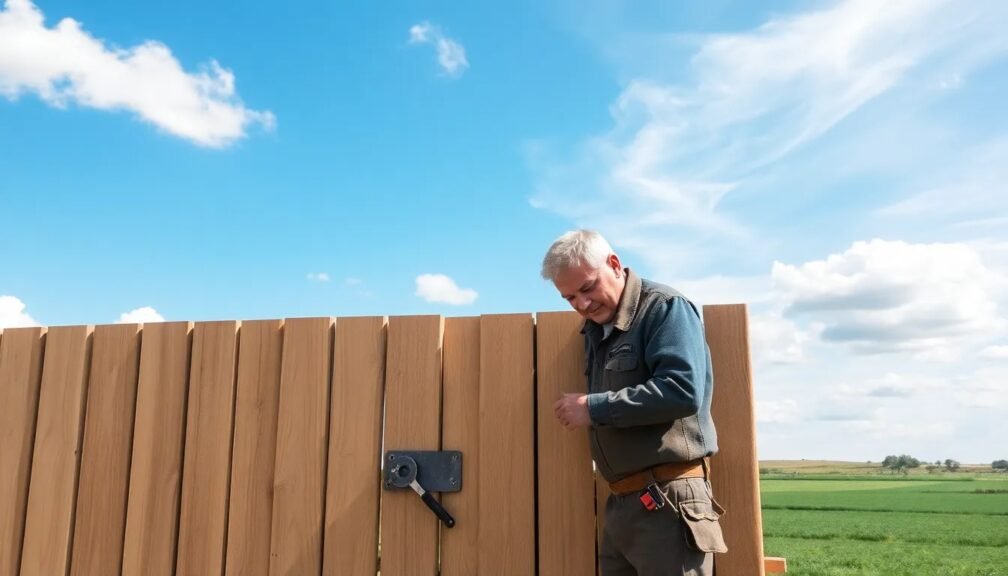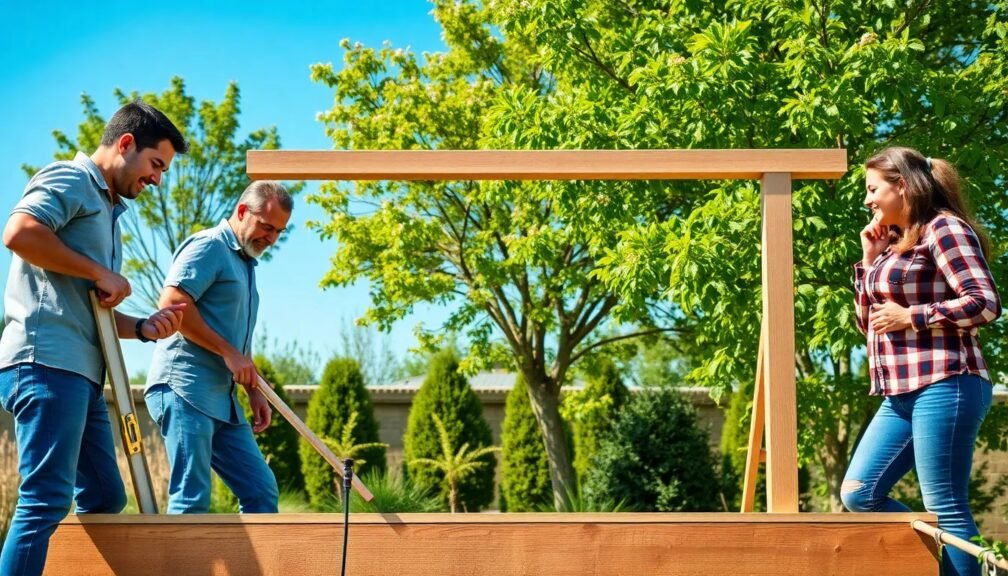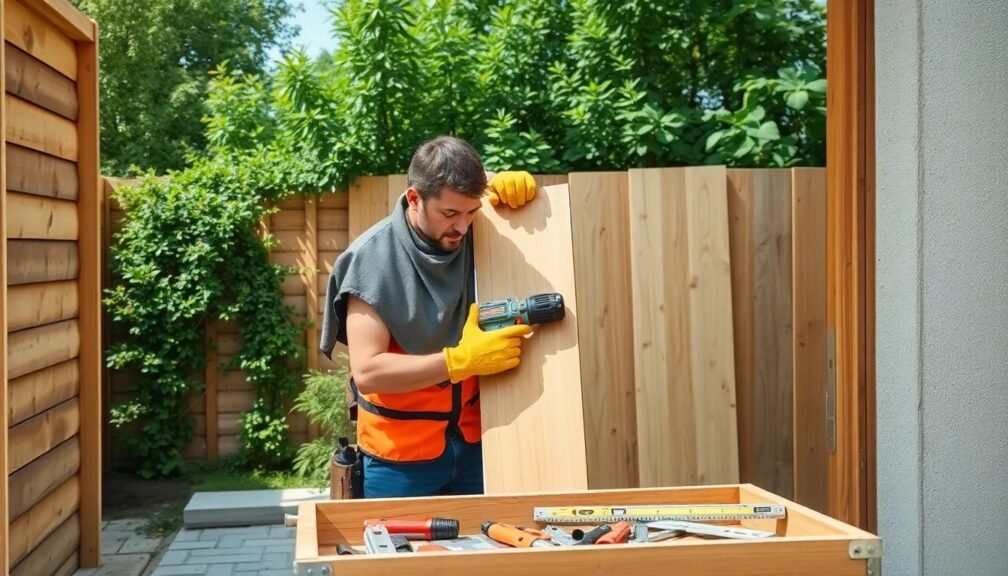
Installing a fence gate is no small task—it requires precision, the right materials, and, most importantly, the right tools. Whether you’re enhancing the security of your home or adding an aesthetic appeal to your yard, understanding the essential tools for fence gate installation can make all the difference. This comprehensive guide will walk you through the necessary tools and provide actionable insights to ensure your fence gate installation project is a success.
The Importance of Choosing the Right Tools
Before diving into the specific tools required for fence gate installation, it’s crucial to understand why the right tools matter. Using proper equipment not only speeds up the installation process but also ensures a sturdy, long-lasting fence gate. A poorly installed gate can lead to safety issues and require costly repairs down the line.
Essential Tools for Fence Gate Installation
1. Measuring Tools
Tape Measure
A tape measure is your best friend when it comes to fence gate installation. Accurate measurements are essential for ensuring that your gate fits perfectly within the existing fence structure. Look for a durable, retractable tape measure that extends at least 25 feet for versatility.
Square
A framing square helps in checking right angles, ensuring that both your gate and the fence line up correctly. A misaligned gate can cause latching issues and might not close properly.
2. Digging Tools
Post Hole Digger
If you’re installing a gate that requires posts, a post hole digger is invaluable. This tool helps create deep, narrow holes that are essential for stable gate posts. Choose a manual or gas-powered post hole digger based on your project’s scale and soil type.
Shovel
A standard shovel will assist in clearing dirt and debris from the area, ensuring that your post holes are clean and the ground is even. It’s also useful for mixing concrete if you need to set your posts.
3. Leveling Tools
Bubble Level
A bubble level will help you ensure that both your gate and gate frame are level. Installing a gate that is not level can lead to alignment issues and affect its functionality.
Laser Level
For more advanced projects, a laser level provides precision. This tool ensures that your fence and gate are perfectly aligned and helps you avoid any potential future sagging.
4. Cutting Tools
Circular Saw or Miter Saw
Depending on the type of gate you’re installing (wood, vinyl, metal), a circular or miter saw will help you cut your materials accurately. Ensure you have the right blade for the material you’re working with to achieve clean edges.
Handsaw
While power tools are great, a handsaw can be useful for making quick adjustments or cuts in tight spaces where a bigger saw might not fit.
5. Fastening Tools
Drill and Drill Bits
A good quality drill is essential for making pilot holes and securing screws or bolts for your gate and posts. Select drill bits that are appropriate for your gate material.
Screwdriver
Whether using a handheld version or a power tool, a screwdriver is necessary to fasten hinges and latches securely. Consider a multi-bit screwdriver for versatility.
6. Hinges and Latches
Heavy-Duty Hinges
Invest in quality heavy-duty hinges that can support the weight of your gate without sagging. Stainless steel or galvanized hinges are ideal for durability and resistance to rust.
Latch Mechanism
Choose a latch that suits your gate’s type and usage—options include slide bolts, spring latches, and privacy latches. Ensure that the latch is easy to use but secure enough to keep your property safe.
7. Safety Gear
Gloves
Protect your hands from splinters, sharp edges, and other injuries by wearing a good pair of work gloves.
Safety Goggles
Always protect your eyes, especially when using saws or drills. Safety goggles can shield against flying debris.
8. Finishing Tools
Sandpaper or Sander
If you’re working with wood, finish your edges for a smooth look and feel. Sandpaper or an electric sander can save you time and help you achieve a polished finish.
Paint or Stain Applicators
If you plan to paint or stain your gate, have a quality brush or roller handy. This will enhance your gate’s appearance and provide additional protection against elements.
Step-by-Step Guide to Fence Gate Installation
Armed with your tools, here is a simplified step-by-step guide on how to install a fence gate effectively:
Step 1: Measure your opening
Use your tape measure to determine the height and width of your gate opening. Allow for some clearance at the bottom to prevent the gate from dragging on the ground.
Step 2: Prepare the ground
Clear the area of any debris and mark where the gate posts will go. Dig the post holes using your post hole digger.
Step 3: Set the posts
Place your gate posts into the holes and ensure they are level using your bubble or laser level. Fill the holes with concrete and allow it to set.
Step 4: Attach the hinges
Fix one side of the hinges to the gate post. Make sure they are level and at the right height for your gate to swing open and close properly.
Step 5: Hang the gate
Lift the gate into position and attach the other side of the hinges. Check the alignment once again with the bubble level.
Step 6: Install the latch
Attach your chosen latch mechanism, making sure that it lines up properly for easy operation.
Step 7: Finish up
Sand any rough edges and apply any stains or paints for added protection.
Conclusion: Taking Action for Your Fence Gate Installation
Installing a fence gate can seem daunting, but with the right tools and a structured approach, it becomes a manageable and rewarding project. Remember, preparation is key—ensure you have all your tools organized and ready before you begin. With careful measurement, leveling, and assembly, you’ll enjoy the benefits of a securely installed fence gate that enhances your property’s security and aesthetic.
By following this guide, you can confidently embark on your fence gate installation project, transforming your outdoor space into a secure and visually appealing haven. Happy building!