Installing a boundary fence is more than just enhancing your property’s curb appeal. It’s about defining your space, ensuring privacy, and adding security to your home. A well-constructed boundary fence can increase the value of your property while providing a sense of safety and distinction. However, for successful boundary fence installation, there are several key factors and tips you need to consider. In this guide, we’ll walk you through essential tips to make your fence installation process smooth and efficient.
Understanding Your Needs
Before you dive headfirst into boundary fence installation, it’s crucial to identify your specific needs. Different people have different requirements for their fencing, influenced by various factors such as property size, local regulations, and intended use.
Defining Purpose
-
Privacy: If your main goal is to block out neighbors and create a secluded environment, a tall and solid fence made of wood or vinyl might be ideal.
-
Security: For creating a secure boundary, consider options like metal or chain-link fences that offer visibility but still act as a deterrent to intruders.
-
Aesthetic Appeal: If you’re looking to improve your property value and curb appeal, decorative options such as wrought iron or picket fences may be your best bet.
Checking Local Regulations
Before proceeding with boundary fence installation, it’s essential to check with local authorities regarding fencing laws and regulations. Many municipalities have restrictions on fence height, materials, and even design. Not only will this save you from potential legal hassles, but it could also prevent unnecessary expenses down the road.
Planning Your Installation
Once you have a clear understanding of your needs, it’s time to draft a plan for your boundary fence installation. Planning is a vital step in ensuring a successful outcome.
Choosing the Right Materials
The choice of materials for your fence fundamentally impacts its durability, appearance, and maintenance needs. Here are some popular options:
-
Wood: Offers a classic and natural look, but requires regular maintenance to prevent rot and insect damage.
-
Vinyl: Low-maintenance and available in various styles, vinyl is a great choice for long-lasting aesthetics.
-
Metal: Ideal for security, metal fences can deter intruders while offering a modern appearance.
-
Composite: A blend of materials, composite fences mimic the look of wood but require less upkeep.
Measuring and Marking
Accurate measurements are crucial for a seamless installation. Here’s how to proceed:
-
Measure Your Property Line: Identify your property boundaries by consulting your property title or a land surveyor.
-
Mark the Fence Line: Use stakes and string to visualize where the fence will go. This will help you visualize the fence layout and ensure it adheres to local regulations.
Digging and Installation
With a solid plan in place, it’s time to move to the heavy lifting: the actual installation.
Tools You’ll Need
To ensure efficiency during your boundary fence installation, gather the following tools:
- Posthole digger or auger
- Level
- Tape measure
- Hammer or nail gun
- Safety goggles
- Fence panels and posts
Digging Post Holes
The depth and width of your post holes largely depend on the type of fence and local frost levels. Generally, holes should be at least one-third of the post height deep, with widths around 10-12 inches. If you’re in an area with frost, you may need deeper holes to prevent shifting during winter.
Setting the Posts
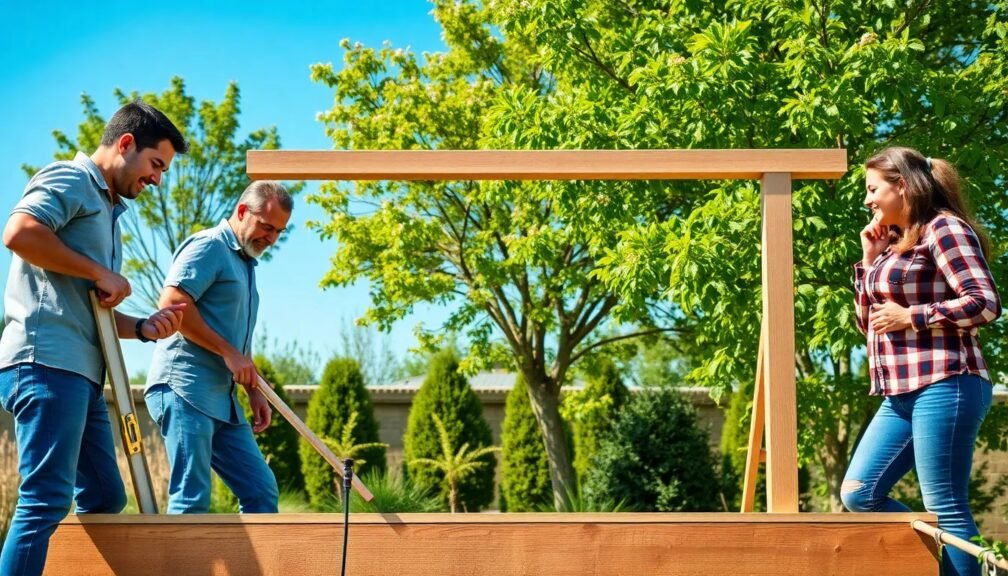
- Place your posts in the holes, ensuring they are level and straight.
- Backfill with concrete or gravel, allowing it to set for at least 24 hours before proceeding to install the panels.
Installing Fence Panels
After the posts are securely set, attach your fence panels, ensuring they fit snugly. You may want to pre-drill holes for screws to avoid splitting wood or damaging panels.
Maintenance and Long-Term Care
Once your boundary fence is up, maintenance is key to ensuring its longevity.
Routine Checks
Conduct regular inspections to spot issues like rust, rot, or physical damage. Taking care of minor problems immediately can prevent costly repairs later.
Cleaning and Staining
For wooden fences, regular cleaning and occasional staining are necessary to maintain appearance and durability. Vinyl fences can be easily washed with soap and water, while metal fences may need rust prevention treatments.
Conclusion: Taking Action for a Successful Installation
Boundary fence installation is a substantial project that can provide numerous benefits for your home. By carefully considering your needs, planning meticulously, and establishing a robust maintenance routine, you can ensure that your fence stands the test of time.
Actionable Insights
-
Plan Thoroughly: Invest time in planning and gathering accurate measurements. This will save time and prevent costly mistakes.
-
Consult Professionals if Necessary: If you’re unsure about any step, don’t hesitate to consult fencing professionals for guidance.
-
Stay Updated on Regulations: Failing to adhere to local regulations can lead to misunderstandings with neighbors and authorities.
-
Regular Maintenance: Establish a routine maintenance schedule to keep your fence looking its best and functioning efficiently.
With these tips, your boundary fence installation can become a rewarding project that enhances both the appeal and functionality of your property. So roll up your sleeves and get started—your dream fence is within reach!