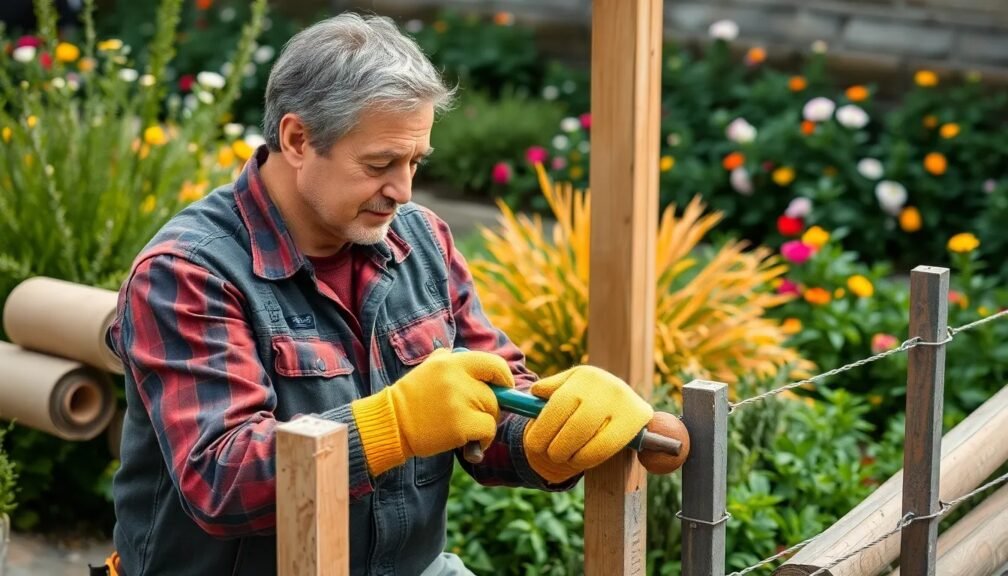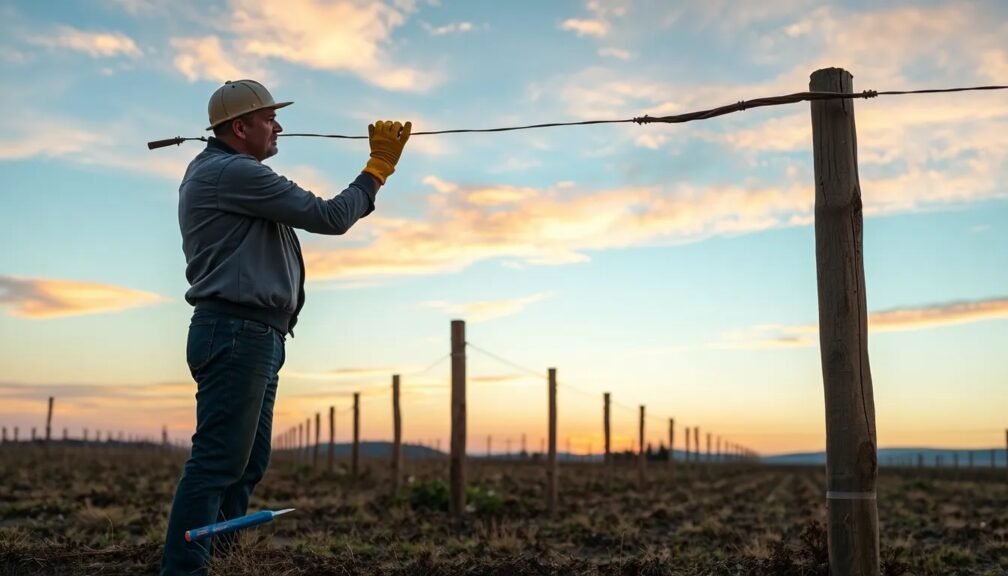
When it comes to securing your property while maintaining a rugged aesthetic, few options compare to barbed wire fencing. Known for its durability and effectiveness, barbed wire fencing is popular in agricultural settings and residential properties alike. However, successful barbed wire fence installation requires a detailed approach to ensure longevity and functionality. This guide will navigate you through the essential steps in the process, helping you achieve a secure and reliable barrier.
Why Choose Barbed Wire Fencing?
Before diving into the installation process, it’s important to understand why barbed wire is an excellent choice for fencing.
Durability and Strength
Barbed wire is designed to withstand the elements and resist wear and tear, making it ideal for long-term use. Its design helps deter trespassers and keeps livestock safely contained, protecting both property and animals.
Cost-Effectiveness
Compared to other fencing types, barbed wire offers a budget-friendly option. Not only are the materials cheaper, but the installation process can often be completed quickly, saving you on labor costs.
Aesthetic Appeal
While practical, barbed wire fencing can also add a rustic charm to your property. Its industrial feel can be particularly appealing in rural or agricultural settings.
Essential Steps for Barbed Wire Fence Installation
Now that you know the benefits, let’s look at the essential steps for a successful barbed wire fence installation.
Step 1: Planning and Preparation
Evaluate Your Property’s Needs
Before you even pick up a tool, take the time to assess your property. Determine the fence line, the purpose of the fence (livestock containment, property boundary, etc.), and potential obstacles such as trees, bushes, or rocks.
Create a Layout
Using stakes and string, outline where the fence will go. This layout will serve as your guide during installation. Make sure to keep local zoning regulations in mind, as some areas have specific requirements for fencing height and materials.
Step 2: Gather Necessary Materials
To execute a seamless installation, gather all the required materials and tools ahead of time. Here’s a checklist:
- Barbed Wire: Choose the right gauge for your needs; heavier gauges are more durable.
- Fence Posts: Opt for treated wood or steel posts for longevity.
- Insulators: Necessary if you’re installing an electric fence alongside barbed wire.
- Wire Stretchers: To ensure the barbed wire is taut.
- Post Drivers: For setting posts securely into the ground.
- Tools: A hammer, pliers, and gloves are crucial for safety and efficiency.
Step 3: Install Fence Posts
Mark Post Locations
Using your layout, mark where each post will go, generally every 8 to 12 feet, depending on local guidelines and terrain.
Dig Post Holes
Using a post hole digger, create holes about 2-3 feet deep, depending on the height of your posts. This depth will help ensure your posts remain stable.
Set the Posts
Place the posts into the holes and fill them with concrete or tamped earth to secure them. Ensure that the posts are level and upright before allowing the concrete to cure.
Step 4: Attach the Barbed Wire
Start at a Corner Post
Begin at one corner post and secure the first strand of barbed wire. Make sure to maintain the same height across the entire line.
Use a Wire Stretcher
To ensure wire tension is correct, use a wire stretcher. This tool allows you to pull the wire tightly between posts, which is critical for both functionality and durability.
Secure the Wire
Wrap the barbed wire around the posts, securing it with staples or wire ties. Always ensure that the wire is at the proper height for safety, especially if livestock is nearby.
Step 5: Install Additional Strands
For added security, consider adding one or two more strands of barbed wire. Space these evenly—about 6 to 12 inches apart.
Step 6: Final Adjustments
Check for Tension
Once all strands are attached, double-check the tension across all wires. Adjust as necessary to avoid sagging, which can compromise the integrity of the fence.
Trim Excess Wire
Trim any excess wire, making sure to smooth down the cut ends to prevent injury.
Step 7: Regular Maintenance
Once installed, ongoing maintenance is crucial for the longevity of your barbed wire fence. Regularly inspect for loose wires, rusting, or other signs of wear.
- Rust Prevention: Apply a rust inhibitor annually to keep your metal components in good shape.
- Check Stability: Ensure posts remain firm and re-secure any that become loose.
- Clear Vegetation: Keep the area around the fence clear of overgrowth to reduce wear and prevent pests.
Conclusion
Barbed wire fence installation is a practical solution for securing your property while maintaining a sturdy and rustic appearance. By following these essential steps—planning, gathering materials, installing posts, attaching wire, and setting up regular maintenance—you’ll create a durable barrier that meets your needs.
In summary, whether you’re protecting livestock, marking property lines, or establishing a sense of privacy, barbed wire fencing has you covered. With proper planning and attention to detail, your installation can yield a successful, long-lasting result. Don’t forget to check local regulations before you begin installation, and consider your specific needs to ensure that your fencing project is both successful and satisfying. Happy fencing!