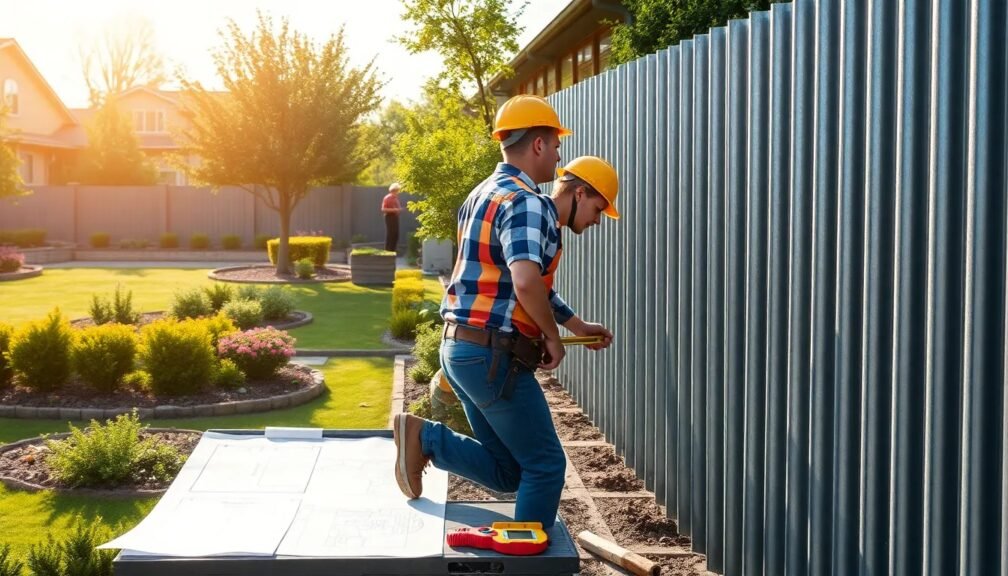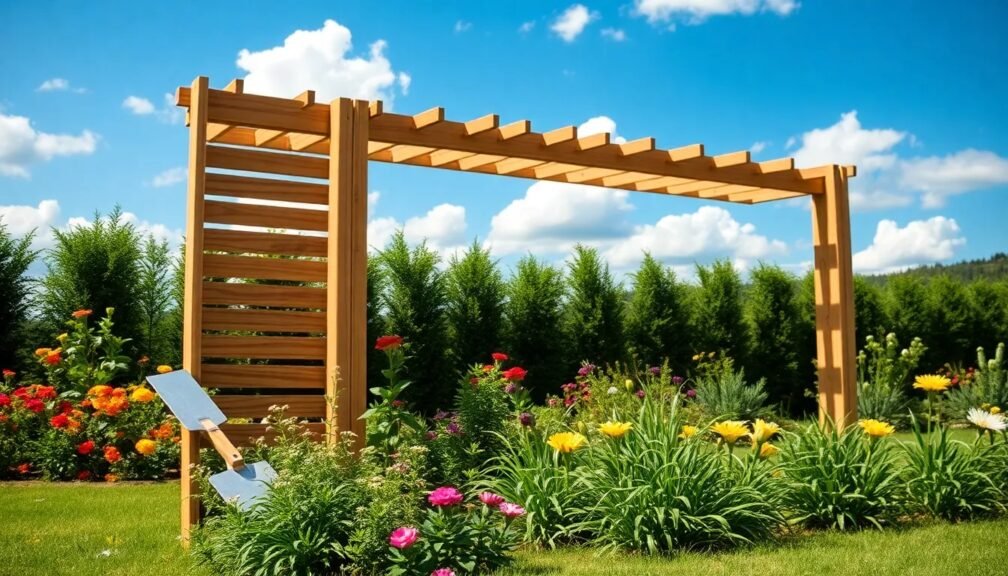
A well-installed garden fence can transform your outdoor space, providing both functionality and aesthetic appeal. Whether you’re aiming to enhance privacy, define boundaries, or keep pets and children safe, a sturdy fence is a must-have feature in any garden. However, the process of garden fence installation can be daunting if you’re not fully prepared. This article will walk you through five essential tips to ensure your fence not only looks great but also stands the test of time.
Why Invest in a Garden Fence?
Before diving into the tips, let’s consider why garden fence installation is a worthy investment. Beyond the obvious benefits like enhancing security and privacy, a fence can:
- Increase Property Value: A well-constructed fence can enhance your property’s curb appeal, which is appealing to prospective buyers.
- Define Outdoor Spaces: A fence helps in delineating areas for different uses, from gardens to play areas, enhancing the functionality of your property.
- Reduce Noise: Certain types of fencing can serve as sound barriers, helping you create a peaceful retreat in your backyard.
Now that we have established the importance of garden fencing, it’s time to move on to the five crucial tips for installation.
1. Choose the Right Material
The first step in your garden fence installation is selecting the right material. Your choice will significantly impact both the look of your garden and the longevity of the fence. Here are some popular options:
-
Wood: A classic choice for many homeowners. Wood fences can provide a rustic charm but require regular maintenance, such as staining or sealing, to prevent rot and weathering.
-
Vinyl: Low maintenance and available in a variety of styles and colors, vinyl fencing is becoming increasingly popular. It’s weather-resistant and won’t warp or fade as much as wood.
-
Metal: Options like wrought iron or aluminum offer a sleek and modern appearance. They’re durable and secure, although they may need periodic painting or rust treatment depending on the type.
-
Composite: Made from a blend of wood and plastic, composite fences mimic the look of wood but require less maintenance. They’re resistant to rot and insect damage.
Consider Local Climate
When choosing your material, factor in your local climate. In areas with heavy rainfall, wood may not be the best choice unless treated properly. Conversely, vinyl may work well in sunny regions but can become brittle in extreme cold.
2. Know Your Local Regulations
Before you commence with garden fence installation, be sure to check local regulations and zoning laws. Many areas have restrictions on fence height, style, and placement. Ignoring these regulations can lead to fines or even the requirement to remove your fence.
Obtain Necessary Permits
In some cases, you may need to apply for a permit before installation. This process can vary by location, so it’s essential to reach out to your local building department. Not only will this help you adhere to the law, but it can also prevent future disputes with neighbors regarding property lines.
3. Plan Your Fence Layout
A successful garden fence installation begins with a solid plan. Sketch out your entire layout, considering aspects like:
-
Property Lines: Make sure you clearly understand where your property boundaries lie. You can refer to your land survey or consult a professional if needed.
-
Gate Placement: Determine where gates should go for easy access to your garden or yard. Remember that gates should swing freely and be easy to manage.
-
Design Aesthetic: Visualize how the fence will look within your overall garden design. Will it match or contrast with existing structures?
Use Technology for Precision
Consider using design software or apps to create a virtual model of your planned fence layout. This can help you understand how different styles and heights will fit into your overall garden aesthetics.
4. Prepare the Site Properly
Preparation is an essential part of garden fence installation. A well-prepared site will ensure a more straightforward installation process and a sturdy final product.
Clear the Area
Start by clearing the area where your fence will be installed. Remove any debris, rocks, or vegetation that could impede the installation process. If necessary, mark the area with stakes and string to ensure accuracy.
Check for Underground Utilities
Before you dig any post holes, it’s crucial to check for underground utilities. Many areas offer a “Call Before You Dig” service, which can prevent costly and dangerous accidents.
5. Follow Installation Best Practices
Now that you’re all set up, it’s time to install your garden fence. Here are some best practices to keep in mind:
Digging Post Holes
-
Depth & Width: As a general rule, post holes should be at least one-third the length of the post above ground. For better stability, ensure the hole is wider at the bottom than at the top.
-
Spacing: Generally, space your fence posts 6 to 8 feet apart, but this may vary depending on the material and design.
Setting the Posts
-
Concrete: For maximum durability, set your fence posts in concrete. Make sure each post is plumb and level before the concrete sets.
-
Bracing: Use temporary braces to hold the posts steady while the concrete cures.
Installing Fence Panels
-
Align Panels: When installing panels, make sure they are level and aligned with each other. Slight adjustments can prevent appearance issues later.
-
Secure Hinges and Latches: If your fence includes a gate, ensure that hinges and latches are securely attached and aligned correctly to function properly.
Conclusion: Your Path to a Stunning Garden Fence
Garden fence installation doesn’t have to be a stressful endeavor. By choosing the right materials, understanding local regulations, planning the layout, preparing the site properly, and following best installation practices, you can achieve a stunning and functional fence that enhances your garden space.
Actionable Insights:
- Start by creating a budget that includes not only materials but also tools and any professional help you may need.
- Engage neighbors early in the process to avoid any disputes down the line.
- Keep maintenance in mind; find a fence style that fits your lifestyle and ability to care for it.
By following these tips, you’re on your way to achieving a perfect garden fence installation that not only meets your functional needs but also adds beauty and value to your home. Happy fencing!