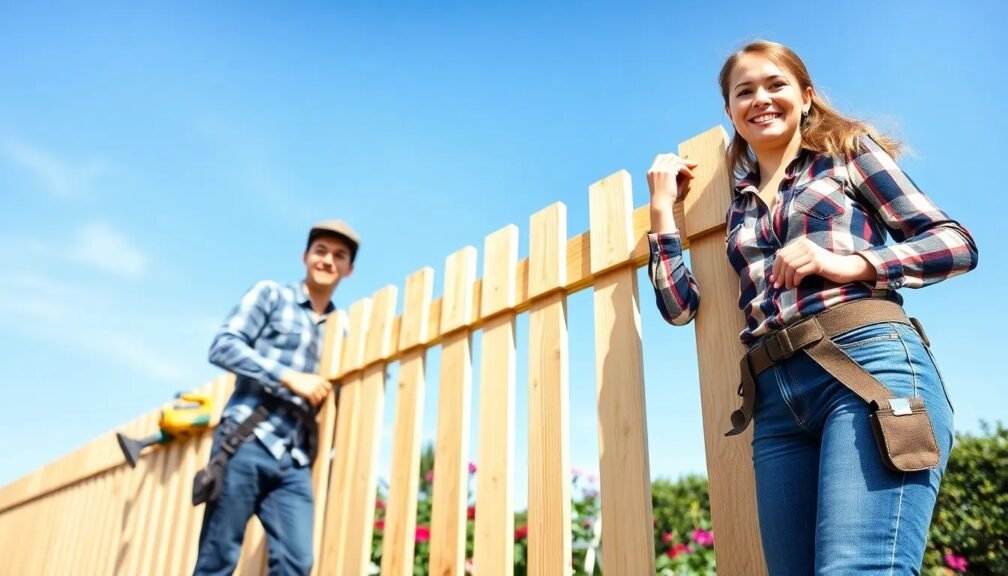
Cedar fences are not just a boundary marker; they elevate the aesthetics of your yard, provide privacy, and can increase your property’s value. However, successful cedar fence installation is key to reaping these benefits. Many homeowners, whether novices or experienced DIYers, often struggle with the intricacies of erecting a sturdy and attractive cedar fence. This guide offers expert tips to ensure your installation is seamless and effective.
Why Choose Cedar for Fencing?
Before diving into installation tips, let’s explore why cedar is a popular choice for fencing materials.
-
Natural Resistance: Cedar has inherent properties that resist decay and insect damage. This durability means a longer lifespan for your fence compared to other wood types.
-
Aesthetic Appeal: The rich, warm tones of cedar add an organic beauty that enhances any property. Plus, its ability to accept stains and finishes allows for customization.
-
Environmental Benefits: Cedar is a renewable resource, making it an eco-friendly option. Using cedar means reducing your carbon footprint while enjoying a beautiful fence.
-
Stability: Cedar fences are less likely to warp or shrink, ensuring they remain aesthetically pleasing year-round.
Planning Your Cedar Fence Installation
1. Research Local Regulations
Before you start purchasing materials, it’s crucial to check local zoning laws regarding fencing. Some areas have restrictions on fence height, style, and placement, so ensure your project complies with local regulations to avoid penalties.
2. Determine Your Needs
Ask yourself several key questions:
- What is the primary purpose of the fence? Is it for privacy, decoration, or to keep pets contained?
- How tall does the fence need to be? Taller fences provide more privacy but may require special permissions.
- What style are you envisioning? Popular styles include board-on-board, picket, and lattice top. Consider how each aligns with your overall landscape design.
3. Create a Budget
Cedar is a premium product, so establish a realistic budget that includes materials, labor (if you hire help), and tools. Remember to account for maintenance costs such as wood preservatives and stains.
Tools and Materials Required
Essential Tools
- Post Hole Digger: For digging holes for the fence posts.
- Level: To ensure your posts are straight and correctly positioned.
- String Line: Helps keep the fence line straight.
- Hammer or Nail Gun: For fastening the planks to the posts.
- Measuring Tape: For accurate measurements.
- Safety Gear: Gloves and goggles to protect yourself during construction.
Materials
- Cedar Fence Boards: Choose the thickness and style of boards that fit your design.
- Cedar Fence Posts: Ensure they are pressure-treated for longevity.
- Concrete or Gravel: For securing the posts firmly in the ground.
- Stain or Sealant: Consider applying a protective layer to enhance durability.
Step-by-Step Cedar Fence Installation
1. Mark the Perimeter
Using stakes and string, outline the area where the fence will be installed. This serves as a visual guide for spacing your posts.
2. Measure and Space Your Posts
Typically, cedar fence posts should be spaced 6 to 8 feet apart, depending on the design and intended height. Use your measuring tape to maintain consistent distances between each post.
3. Digging the Post Holes
For a sturdy fence, post holes should be at least two feet deep and three times wider than the post. This depth helps ensure that the posts are anchored securely.
4. Setting the Fence Posts
Place the cedar posts in the holes. Use a level to ensure each post is straight and adjust as needed. Fill the holes with concrete or gravel for stability. Allow it to cure according to the manufacturer’s guidelines.
5. Attaching the Rails
Once the posts are set, attach horizontal rails between the posts. These provide support for the fence boards. Use galvanized nails or screws to prevent rusting.
6. Installing the Cedar Boards
Now it’s time to attach the cedar boards to the rails. Start from the bottom and work your way up, ensuring they are evenly spaced. Depending on the style, you may have boards overlapping or flush against each other.
7. Add Finishing Touches
After the boards are installed, consider trimming or sanding any rough edges. If desired, apply a protective stain or sealant to prolong the lifespan of your fence.
Maintaining Your Cedar Fence
Cleaning
Regularly clean your fence by removing dirt and debris to prevent mold and mildew growth. Using a soft brush with mild soap can help maintain its beauty.
Applying Stains or Sealants
To maintain the rich color of cedar and protect it from the elements, regularly apply a quality wood preservative. Every three to five years should suffice, depending on your local climate.
Inspecting for Damage
Conduct seasonal inspections. Look for signs of decay, insect damage, or loose boards that may need immediate attention. Early detection can save you substantial repair costs down the line.
Common Mistakes to Avoid
-
Neglecting Local Regulations: Always check your local laws before installing. Non-compliance could lead to legal issues.
-
Skipping the Measurement Phase: Accurate measurements are crucial. Rushing this step can lead to misaligned posts and uneven fences.
-
Using Wet or Unseasoned Cedar: Freshly cut cedar should dry before installation. Wet wood can warp as it dries, ruining your fence’s alignment.
-
Ignoring Drainage: Ensure proper drainage. Poor drainage can lead to rotting posts, significantly reducing your fence’s lifespan.
Conclusion: Invest in Quality Cedar Fence Installation
Cedar fence installation can significantly boost your yard’s appeal and functionality, but careful planning and execution are essential. By following our top tips – from researching local regulations to maintaining your fence post-installation – you can ensure your cedar fence stands the test of time.
Remember, investing in quality materials and a structured installation process pays off. Whether you choose to tackle the installation as a DIY project or hire professionals, a well-installed cedar fence deserves every bit of effort. Get started today, and enjoy the beauty and benefits of your new cedar fence for years to come!